







Italian Tortellini: History, Traditional Fillings, and Perfect Pairings

If you really love authentic Italian dishes, tortellini is such a dish nothing can beat. Not any other dish can be more passionate, legendary and Italian than pasta shapes such as tortellini. These tiny, ring-shaped pasta pockets are famous all over the world for their hearty fillings, thin dough and hearty appeal.
We will discuss tortellini, along with some of its traditional fillings. How to make it like they do in Italy, and how to eat it like an Italian.
What is Italian Tortellini?
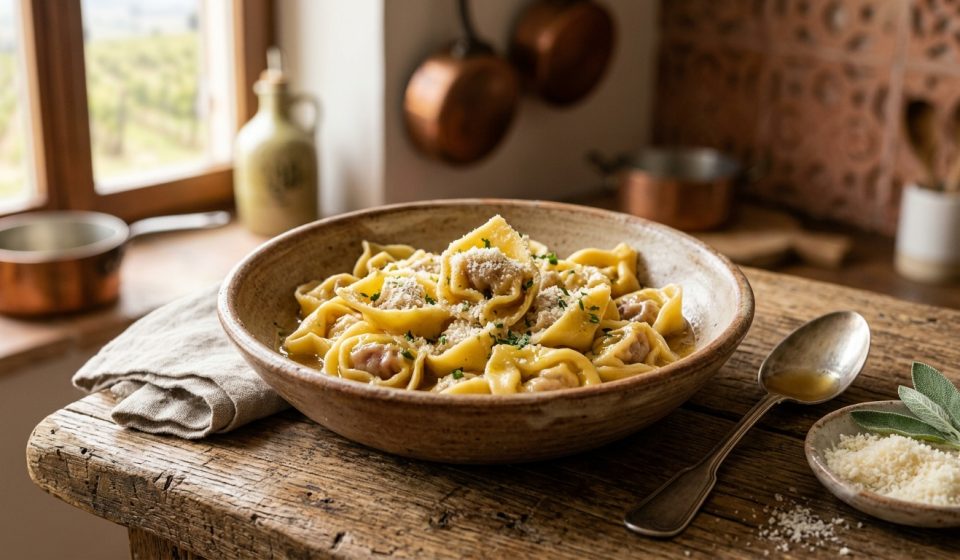
The tortellini, or little packages stuffed with pasta dough (egg pasta), are little navel-shaped stuffings. The traditional stuffing of tortellini is a savory mix of cheeses, meats and aromatic spices and the region of Emilia-Romagna is the region of Bologna and Modena where they originated.
The History of Italian Tortellini and Its Famous Ring Shape
Local Italian myth has it that the tortellini were invented to the navel of the goddess Venus. An innkeeper looked through a hole in the door and saw the beauty of Venus. So, enamored with her beauty that he hurried to his kitchen to make an exact replica of her navel from fresh pasta dough.
Traditional Italian Tortellini Fillings: Bologna vs. Modena
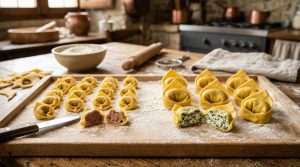
While people stuff tortellini with modern ingredients nowadays, Italians stuff classic Italian tortellini with traditional ingredients:
Traditional filling for Tortellini di Bologna (filling meat) includes a mixture of ground beef, prosciutto di Parma, mortadella, Parmigiano-Reggiano cheese, egg and a bit of nutmeg.
Cheese & Spinach (Tortellini or Tortelloni): Different ingredients ricotta cheese and some fresh herbs or spinach and grated parmesan may include in it.
Tips for creating and consuming tortellini like an Italian.
Here are some true hints on the serving of tortellini:
Broth: Some of Italians serve the ancient style of meat stuffed tortellini which is full of cream & clear capon or beef broth.
The Cream Sauce: Serving tortellini in light cream or Parmigiano-Reggiano sauce is not a typical Emilia-Romagna choice but has become fashionable around the world.
Butter: You best toss together the combination of cheese-filled tortellini and a little butter seasoned with fresh sage leaves.
Pro Tip: If you overcook tortellini, you’ll miss out on the deliciousness! If you want to eat some fresh tortellini, then you have to cook just 2 to 4 minutes or else they will rise on the top of the boiling water.
Frequently Asked Questions (FAQ)
Difference between tortellini and tortelloni?
The only difference is the size and filling. Traditionally, the smaller tortellini are filled with meats. Tortelloni are little bit larger than tortellini and typically stuffed with vegetable such as ricotta cheese, spinach or pumpkin.
Is tortellini better than the pasta?
This is due to the fillings that people use for tortellini, as they contain a good balance of carbohydrates, protein, and fats. These are nutritious and filling meal, and could be more healthier option than plain pasta, when served with high-quality cheeses, meats and broths.
Would you rather freeze cooked or fresh tortellini?
Yes! Up to 3 months you can freeze freshly prepared tortellini and store them in an air tight bag on a baking sheet. You can boil them directly out of the freezer
Should tortellini be boiled prior to adding to baked dishes?
They can bake right in a saucy dish that has a lot of liquid for fresh or refrigerated tortellini. However, if you dry tortellini or buy them in a store, you should pre-boil them before baking.
Final Thoughts: Enjoying Italian Tortellini the Traditional Way
Italian tortellini are more than just pasta stuffed with filling, it’s a small bite of Italian heritage and art. When served in a hot broth on a cold Italian winter evening. And when slapped in butter and sage, tortellini are pure Italian flavor at your dinner table.
