





Skip to content
  • https://www.facebook.com/
  • https://twitter.com/
  • https://t.me/
  • https://www.instagram.com/
  • https://youtube.com/
Mastering The Stove Mastering The Stove Mastering The Stove
  • Home
  • Recipes
  • Drinks
  • Cuisine History

Welcome to the ultimate source for fresh perspectives! Explore curated content to enlighten, entertain and engage global readers.

  • Facebook
  • X
  • Instagram
  • LinkedIn

Recent Posts

  • Italian tortellini
    Italian Tortellini: History, Fillings & Pairing Tips
    by Zobaida Konika
    October 24, 2026
  • Filipino palitaw rice cake
    Palitaw: History, Meaning, Ingredients & Filipino Traditions
    by Zobaida Konika
    October 23, 2026
  • Cinnamon Rolls
    Cinnamon Rolls: Soft, Gooey & Homemade Recipe
    by Zobaida Konika
    October 20, 2026
  • Quinoa
    Quinoa: Why This Ancient Andean Seed is Taking Over the World
    by Zobaida Konika
    October 19, 2026
  • Home
  • Recipes
  • Drinks
  • Cuisine History
Close

Search

Filipino palitaw rice cake
Cuisine History

Palitaw: History, Meaning, Ingredients & Filipino Traditions

By Zobaida Konika
October 23, 2026

Palitaw: The Sweet History of the Philippines’ Iconic Floating Rice Cake
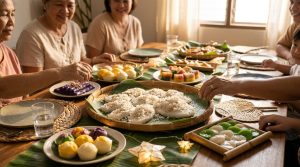
Palitaw served with traditional Filipino kakanin at a family gathering

The traditional ambience of Filipino food is nothing but Palitaw. A classic rice cake (kakanin), it’s soft, chewy, and flavoured with fresh coconut and toasted sesame seeds! It has a special place in the hearts and kitchens of the Philippines. But where and how did this popular dessert begin and how did it come up with its distinctive name?

What is Palitaw? A Traditional Filipino Rice Cake

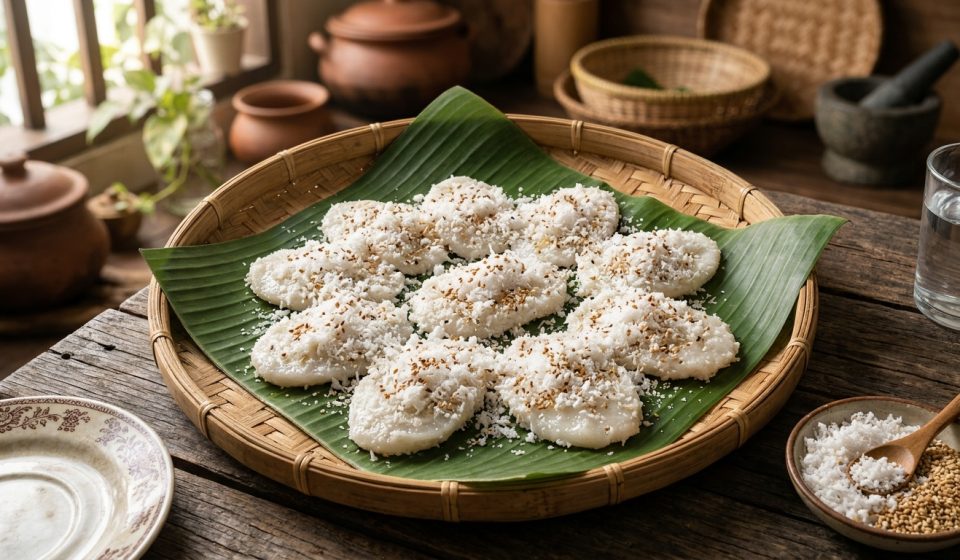
A flat, oval-shaped cake made with glutinous rice dough and used. A glutinous rice cake that is flat and oval-shaped and used. Boiled and then rolled in freshly grated coconut, white sugar and toasted sesame seeds. The soft rice dough flavored with the nutty and sweet coating makes it so unbeatable for an afternoon snack (merienda) and a holiday dessert.

Palitaw Meaning and Origins: Why is it Called a Floating Rice Cake?

It is from the Tagalog root word “litaw” meaning to “float” or “to surface.” This name describes how cooks prepared it: they dropped raw dough discs into a pot of boiling water, and the discs sank to the bottom at first. Once complete they float up like a feather.  In certain provinces, people also use the term ‘dila-dila’ to refer to palitaw because of its flat and oval shape which resembles a small tongue.

Traditional Palitaw: From Homemade Galapong to Modern Kitchens

Palitaw has its roots in the province of Pangasinan in Northern Luzon, where rice is plentiful. Previously making palitaw required a lot of time and patience. Cooks soaked glutinous rice (kaning malagkit) overnight and ground it in heavy stone mills, creating a smooth and moist paste called galapong. Times have changed, now it’s easy to buy a package of glutinous rice flour (such as mochiko) and water to make. Now it’s time for modern palitaw that’s filled with ube (purple yam), chocolate or cheese, and palitaw sa latik (palitaw braised in thick caramelized coconut milk).

Palitaw in Filipino Culture: Traditions, Celebrations, and Symbolism

Pre-colonial Philippine culture roots kakanin desserts. This rice desserts are offered in rituals, harvests, and community gatherings. The cake is still a customary item in today’s birthday parties, town fiestas and New Year’s party. People cook this cake before the festival, so eating the rice cakes brings a bit of good fortune because they rise to the top in the process. There’s a certain sense of success and good luck in eating this cake before the festival.

Frequently asked questions (FAQ)

What is the meaning of “palitaw”?

People derived the name palitaw from the Tagalog word litaw (meaning ‘to float’ or ‘to surface’), which describes the behavior of the rice cakes in boiling water after you cook them.

What is the ingredients of traditional palitaw?

The main components are glutinous rice flour (or ground-soaked sticky rice). Pre-colonial Philippine traditions deeply root the origins of kakanin desserts, where people served rice desserts for rituals, harvests, and community eventster, freshly grated coconut, granulated sugar and toasted sesame seeds.

Is palitaw gluten-free?

Yes! Although the name suggests otherwise, glutinous rice doesn’t contain gluten. The word “glutinous” just means that it is gluelike and sticky when cooked.

How long can palitaw last for?

Palitaw is in its best taste when eaten fresh the day of preparation. Fresh coconut may not last long and the rice cake can become firm as time goes on. So it’s best used within a few hours for optimum chewiness.

Author

Zobaida Konika

Hi, This is Zobaida Konika. I am a food lover and an International Cuisine History Developer who loved to share easy food history and the recipes as well. Many people love to cook and serve their family & friends. I thought I can add something new. From that aspect, I start to write something about the history of different cuisine from different countries. And this is accessible for every Queen of the kitchen. So, Yes, here you can get Egyptian, Turkish, Ottoman, Mediterranean and so many regions food cultures, recipes and the histories. I am very much passionate about this food cultures and I tried to make this food at home & love to share this food in my family gatherings. My suggestions for you, come & read some blogs, definitely you will get something you are looking for.Have a Good Day!Happy Reading !

Follow Me
Other Articles
Cinnamon Rolls
Previous

Cinnamon Rolls: Soft, Gooey & Homemade Recipe

Italian tortellini
Next

Italian Tortellini: History, Fillings & Pairing Tips

Search...

Recent Posts

  • Italian Tortellini: History, Fillings & Pairing Tips
  • Palitaw: History, Meaning, Ingredients & Filipino Traditions
  • Cinnamon Rolls: Soft, Gooey & Homemade Recipe
  • Quinoa: Why This Ancient Andean Seed is Taking Over the World
  • Haydari: History, Ingredients & Traditional Meze
  • Kachche Keema Kabab: History, Recipe & Mughlai Flavors
  • Italian Meatloaf: Why You’ll Love This

your ultimate destination for delicious recipes, practical kitchen tips, and culinary inspiration. Whether you are a beginner or a seasoned home chef, we are here to help you elevate your everyday meals. Join our community and let’s create magic in the kitchen together!

Latest Posts

  • Vietnamese Beef Pho: 30-Minute Pho Bo Recipe
    30 Minute Broth: Easy Vietnamese Beef Pho Want that melty-hot… Read more: Vietnamese Beef Pho: 30-Minute Pho Bo Recipe
  • Urfa Kebab: History, Origin, Ingredients & Culinary Secrets
    The Story of Urfa Kebab: Origin, History, and Culinary Secrets… Read more: Urfa Kebab: History, Origin, Ingredients & Culinary Secrets
  • Turkish Eggplant: The King of Turkish Cuisine & Its Many Uses
    Turkish Eggplant Dishes: Why Patlican Is the King of Turkish… Read more: Turkish Eggplant: The King of Turkish Cuisine & Its Many Uses

Pages

  • About Us
  • Contact Us
  • Privacy Policy
  • Terms & Conditions

Contact

Phone

+342348343

+348796543

Email

hi@blogsy.com

support@blogsy.com

Location

New York, USA

Copyright 2026 — Mastering The Stove. Design & Devoloped By TechSheep