






Palitaw: The Sweet History of the Philippines’ Iconic Floating Rice Cake
The traditional ambience of Filipino food is nothing but Palitaw. A classic rice cake (kakanin), it’s soft, chewy, and flavoured with fresh coconut and toasted sesame seeds! It has a special place in the hearts and kitchens of the Philippines. But where and how did this popular dessert begin and how did it come up with its distinctive name?
What is Palitaw? A Traditional Filipino Rice Cake
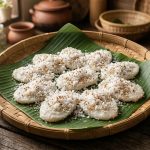
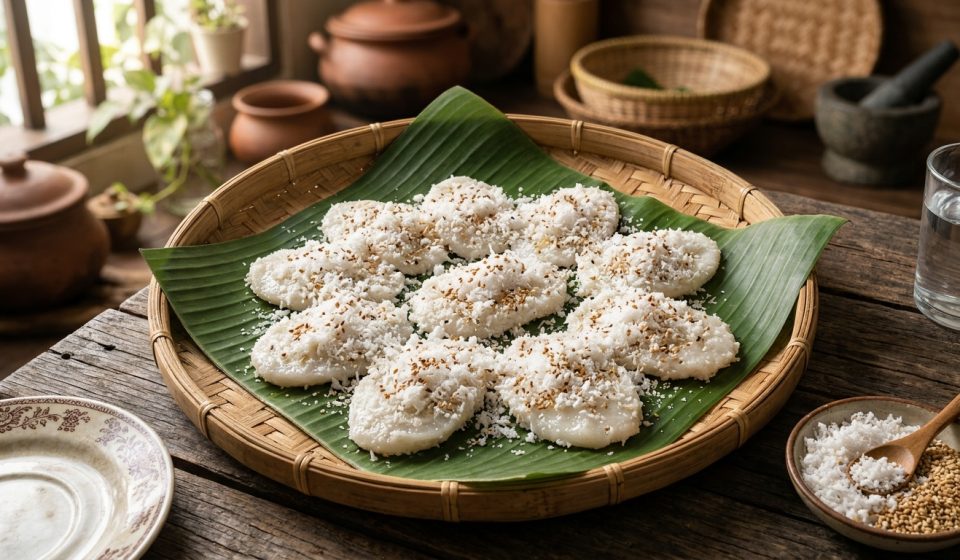
A flat, oval-shaped cake made with glutinous rice dough and used. A glutinous rice cake that is flat and oval-shaped and used. Boiled and then rolled in freshly grated coconut, white sugar and toasted sesame seeds. The soft rice dough flavored with the nutty and sweet coating makes it so unbeatable for an afternoon snack (merienda) and a holiday dessert.
Palitaw Meaning and Origins: Why is it Called a Floating Rice Cake?
It is from the Tagalog root word “litaw” meaning to “float” or “to surface.” This name describes how cooks prepared it: they dropped raw dough discs into a pot of boiling water, and the discs sank to the bottom at first. Once complete they float up like a feather. In certain provinces, people also use the term ‘dila-dila’ to refer to palitaw because of its flat and oval shape which resembles a small tongue.
Traditional Palitaw: From Homemade Galapong to Modern Kitchens
Palitaw has its roots in the province of Pangasinan in Northern Luzon, where rice is plentiful. Previously making palitaw required a lot of time and patience. Cooks soaked glutinous rice (kaning malagkit) overnight and ground it in heavy stone mills, creating a smooth and moist paste called galapong. Times have changed, now it’s easy to buy a package of glutinous rice flour (such as mochiko) and water to make. Now it’s time for modern palitaw that’s filled with ube (purple yam), chocolate or cheese, and palitaw sa latik (palitaw braised in thick caramelized coconut milk).
Palitaw in Filipino Culture: Traditions, Celebrations, and Symbolism
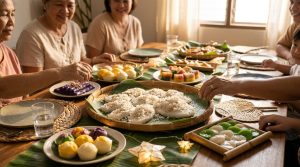
Pre-colonial Philippine culture roots kakanin desserts. This rice desserts are offered in rituals, harvests, and community gatherings. The cake is still a customary item in today’s birthday parties, town fiestas and New Year’s party. People cook this cake before the festival, so eating the rice cakes brings a bit of good fortune because they rise to the top in the process. There’s a certain sense of success and good luck in eating this cake before the festival.
Frequently asked questions (FAQ)
What is the meaning of “palitaw”?
People derived the name palitaw from the Tagalog word litaw (meaning ‘to float’ or ‘to surface’), which describes the behavior of the rice cakes in boiling water after you cook them.
What is the ingredients of traditional palitaw?
The main components are glutinous rice flour (or ground-soaked sticky rice). Pre-colonial Philippine traditions deeply root the origins of kakanin desserts, where people served rice desserts for rituals, harvests, and community eventster, freshly grated coconut, granulated sugar and toasted sesame seeds.
Is palitaw gluten-free?
Yes! Although the name suggests otherwise, glutinous rice doesn’t contain gluten. The word “glutinous” just means that it is gluelike and sticky when cooked.
How long can palitaw last for?
Palitaw is in its best taste when eaten fresh the day of preparation. Fresh coconut may not last long and the rice cake can become firm as time goes on. So it’s best used within a few hours for optimum chewiness.
