







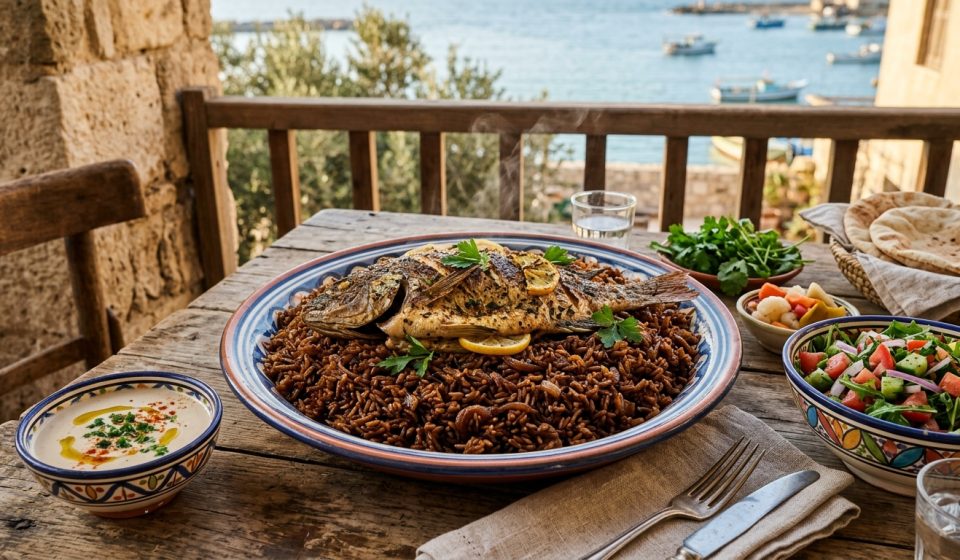

Sayadiyah: The History of Egypt’s Coastal Fish and Rice Dish
And one of those authentic Middle East and Mediterranean food so you should eat if you’re in love with the real thing. Egyptian Sayadiyah(or sayadieh) is a traditional dish. Sayadiyah is not just a meal but an experience of homegrown coastal Egypt. Syrupy-spiced onions sinking the house and warming spices in tender fish, heaped over warm brown rice.
In this piece, we shall be briefing a little bit about the history of Egyptian Sayadiyah. How has it made its way into our national favorite and to this day why you can never get enough of it.
The Origins & History of Egyptian Sayadiyah
The word Sayadiyah is from Arabic sayyad; in English words, sayadiyah means fisherman. The name Sayadiyah is a reference to its ancestral birthplace. On the shores of coastal fishing communities in ancient Pharaonic Egypt at historic ports like Suez, Port Said and Alexandria where Egyptian nets would be pulled full of fish.
Historically, Egyptian fishermen spent days at sea along the Mediterranean and Red Seas. Having to create a dish that was healthy, filling and quick with the least amount of ingredients. Possible they ended up utilizing these kitchen staples, fresh fish onions rice oil and warm Egyptian spices.
Fishing folk boiled down blackened onions with stock to create a bog-dark, rich base in which to flavor both the rice and fish. Quickly from the fishing boats, made its way into home kitchens around the country — a simple meal of human need.
How Sayadiyah Evolved Over Time

While Sayadiyah is hearty fare all over the Levant (Lebanon and Syria included), its Egyptian cousin has a certain something.
Coastal cities like Port Said and Suez create variations on this national theme by frying or grilling stuffed fish. Local cooks continuously improve the recipe, carefully selecting specific types of fish—such as Mediterranean Sea Bass (Qarootz) or Gilthead Seabream (Denis). When you want a clean meal, cooks serve it beside fried or boiled rice and use a wide variety of vegetables. For Tilapia, known in Egypt as Bolti, we local Egyptians proudly choose Bolti. The evolving that happened with this method for how to make caramelized onions. Take very thinly sliced raw onions and brown (dark brown but not burnt!) them in the pan. Releases subtle natural sugars that intensify flavor.
This is the food nowadays, Sayadiyah Egyptians eat with the sauce of Tahini as an additional plate and variety (as a fresh Egyptian green salad that can sometimes accompany Tomeya (garlic sauce). And that’s why it passes itself off as the centerpiece of family Fridays, oceanfront holidays and shellfish feast days.
Frequently Asked Questions (FAQ)
Q: What is the significance of Egyptian Sayadiyah rice being dark brown?
It derives its unique shade entirely from the browning of deeply caramelized onions. Cooks require no soy sauce or artificial food dye around here. Cooks fry onions in oil heated so richly that it transforms them to a near-burnt mahogany state. Then boil them to produce a broth more flavorful than nature could provide or earth absorb, which forms the bath for rice.
Egyptian Sayadiyah V.S Levantine Sayadieh
They all tell a similar story with fish, spiced rice and caramelized onions. Yet the Levantine versions are often served with pine nuts or slivers of almond scattered on top and come swimming in thicker gravy. Sayadiyah dishes in Egypt pile it with the cumin and coriander mixtures. Serving straightforward varieties of fish using more uncomplicated forms such as tahini.
What fish works best for traditional Sayadiyah
Nevertheless, a more solid white fish is the one preferred, slipping right between thick fillets during cooking. Egyptians enjoy the Recipe for fish whether it be sea bass, sea bream or grouper and tilapia.
Final Thoughts
Egyptian Sayadiyah in Egypt, it has a creative dish dedicated to Fishermen in coastal areas. That’s a very basic ingredient such as raw fish, rice, onion and spices for toppings that stacks up to an extraordinary overall depth of flavor. Sayadiyah, whether ordered at a coastal restaurant in Alexandria or prepared in your own kitchen, offers a taste of Egyptian antiquity.
The Egyptian Sayadiyah fish and rice began on the Egyptian shores of Alexandria and Suez. Savor this dish of real Egyptians seafood then investigate its history.


Comments are closed.
[…] Sayadiyah: The Story Behind Egypt’s Famous Fish and Riceby Zobaida KonikaOctober 5, 2026 […]