Skip to content
  • https://www.facebook.com/
  • https://twitter.com/
  • https://t.me/
  • https://www.instagram.com/
  • https://youtube.com/
Mastering The Stove Mastering The Stove Mastering The Stove
  • Home
  • Recipies
  • Seafood
  • Drinks
  • Cuisine History

Welcome to the ultimate source for fresh perspectives! Explore curated content to enlighten, entertain and engage global readers.

  • Facebook
  • X
  • Instagram
  • LinkedIn

Recent Posts

  • Turkish Haydari
    Haydari: History, Ingredients & Traditional Meze
    by Zobaida Konika
    October 13, 2026
  • Kachche Keema Kabab
    Kachche Keema Kabab: History, Recipe & Mughlai Flavors
    by Zobaida Konika
    October 10, 2026
  • Italian Meatloaf
    Italian Meatloaf: Why You’ll Love This
    by Zobaida Konika
    October 9, 2026
  • Healthy creamy broccoli soup
    Creamy Broccoli Soup: Healthy But Not With Heavy Cream
    by Zobaida Konika
    October 9, 2026
  • Home
  • Recipies
  • Seafood
  • Drinks
  • Cuisine History
Close

Search

Japanese Mochi
DessertsReview

Japanese Mochi: Tradition, Texture, Flavors & Mochi Ice Cream

By Zobaida Konika
October 4, 2026

Japanese Mochi: Why This Traditional Japanese Rice Cake Is So Popular

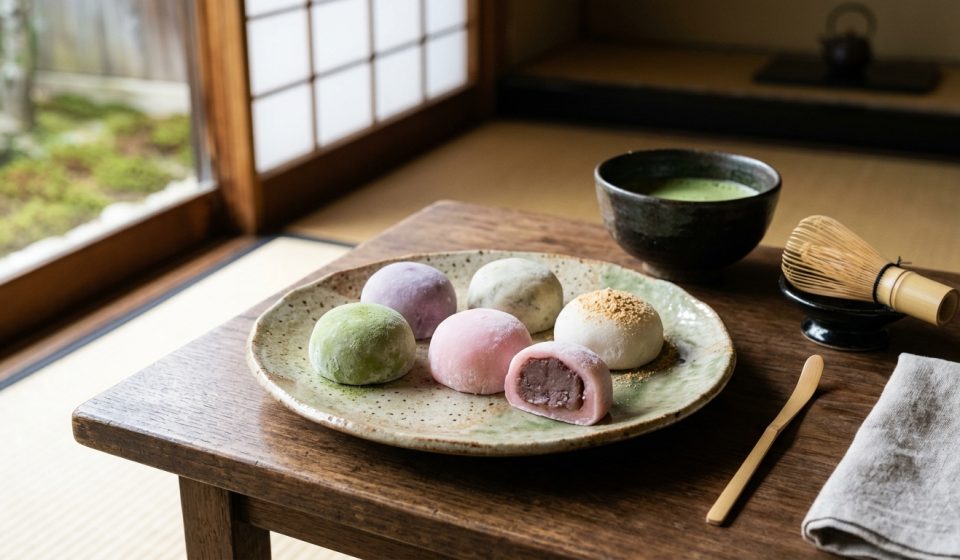
If you are active on social media, or have recently been in a gourmet dessert store, you might have seen japanese mochi. This soft, chewy Japanese rice cake has evolved from an age-old cultural tradition to a worldwide candy trend. But what makes this classic confection more enticing to sweet tooth across the globe?

The Addictive “Mochi-Mochi” Texture

So, in short, the thing that helped mochi become famous is sensory appeal. Chefs steam and pound short-grain glutinous rice (or mochigome) into a stretchy dough to create mochi, which features an inspiring chewiness that Japanese culture lovingly calls the ‘mochi-mochi’ texture. Soft, pillowy shit that is nothing like a Western pastry either.

An Ideal Combination of Tradition and Innovation

Traditionally, mochi has been saved for Japanese New Year celebrations as a good luck food and signified health prosperity. All kinds of traditional favourites are still popular, like Daifuku – mochi filled with sweet red bean paste (anko). But the culinary fusion of modernity gave us Mochi Ice Cream. The contrast of temperature and texture that packing soft serve ice cream in a thin skin of chewy rice dough created completely changed the game for desserts.

Social Media and Visual Appeal

Mochi is naturally photogenic. With its pastel blinked-out colors, seamless round-formed and mounding fillings, it is an enormous success on TikTok, Instagram, and Pinterest. Viral food videos on the stretch ability of freshly made mochi dough are bringing this delicacy to millions of new fans worldwide.

Endless Flavor Versatility

Just about any filling works with mochi dough — from traditional Japanese flavors like matcha, black sesame, and yuzu to Western favorites like strawberry, cookie dough, and chocolate. And being a naturally gluten-free product allows it to fit into different diets without trouble.

Frequently Asked Questions (FAQ)

What ingredients go into mochi?

Short-grain glutinous rice (mochigome), water, and sometimes a little sugar form mochi. Though people call it glutinous rice, it naturally lacks gluten.”

But is mochi ice cream Japanese and a true experience of authentic Japanese mochi?

What Fills Traditional Japanese Mochi?

Chefs stuff traditional homemade mochi with sweetened pastes, such as red bean and lotus seed. Creators in the United States created mochi ice cream—an American-Japanese hybrid dessert—during the 1990s, and people worldwide now love it.

To keep mochi fresh, how can you pouch it?

The fresh mochi must be stored at room temperature and consumed within 1–2 days. To keep the soft, chewy texture, freeze it in an airtight container for longer storage.


 

Author

Zobaida Konika

Follow Me
Other Articles
Japanese Sashimi
Previous

Sashimi: Health Benefits, Nutrition & Safety Guide

Japanese Iced Matcha Latte
Next

Iced Matcha Latte: Japanese Easy & Creamy Latte Recipe

Search...

Recent Posts

  • Haydari: History, Ingredients & Traditional Meze
  • Kachche Keema Kabab: History, Recipe & Mughlai Flavors
  • Italian Meatloaf: Why You’ll Love This
  • Creamy Broccoli Soup: Healthy But Not With Heavy Cream
  • Honey in Islam: Benefits in the Quran and Sunnah
  • Persian Tawa Kabab: Juicy Persian Pan-Fried Kebabs
  • Beyran Corbasi: Gaziantep’s Legendary Turkish Breakfast Soup

your ultimate destination for delicious recipes, practical kitchen tips, and culinary inspiration. Whether you are a beginner or a seasoned home chef, we are here to help you elevate your everyday meals. Join our community and let’s create magic in the kitchen together!

Latest Posts

  • Vietnamese Beef Pho: 30-Minute Pho Bo Recipe
    30 Minute Broth: Easy Vietnamese Beef Pho Want that melty-hot… Read more: Vietnamese Beef Pho: 30-Minute Pho Bo Recipe
  • Urfa Kebab: History, Origin, Ingredients & Culinary Secrets
    The Story of Urfa Kebab: Origin, History, and Culinary Secrets… Read more: Urfa Kebab: History, Origin, Ingredients & Culinary Secrets
  • Turkish Eggplant: The King of Turkish Cuisine & Its Many Uses
    Turkish Eggplant Dishes: Why Patlican Is the King of Turkish… Read more: Turkish Eggplant: The King of Turkish Cuisine & Its Many Uses

Pages

  • About Us
  • Contact Us
  • Privacy Policy
  • Terms & Conditions

Contact

Phone

+342348343

+348796543

Email

hi@blogsy.com

support@blogsy.com

Location

New York, USA

Copyright 2026 — Mastering The Stove. Design & Devoloped By TechSheep