







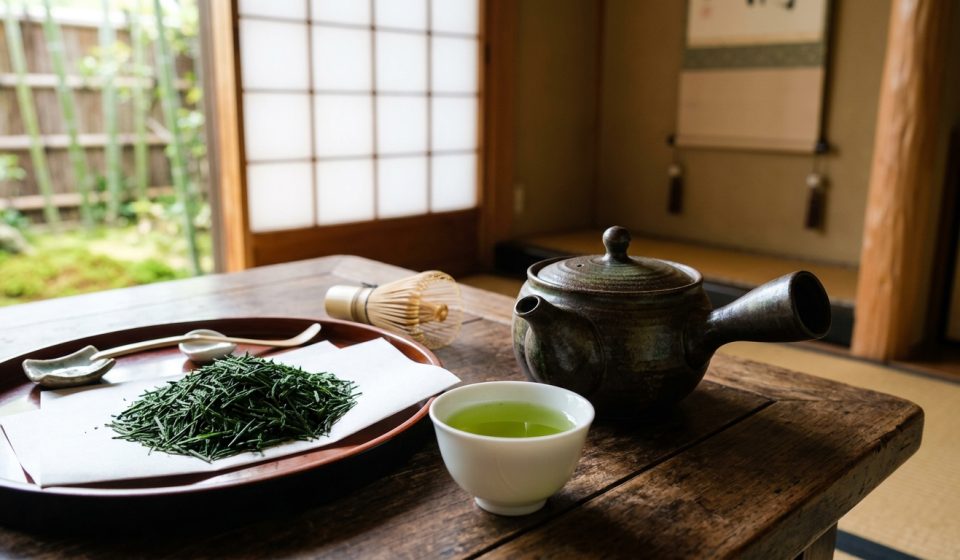

Japanese Gyokuro: The Ultimate Guide to Jade Dew Green Tea
If you ask tea connoisseurs in Japan to mention the absolute ultimate of loose-leaf green tea, one name immediately stands out: Japanese Gyokuro.
The name ‘Gyokuro’ to ‘Jade Dew’ and know it for its deep emerald color, silky flavor, and umami-rich taste. Gyokuro, rather, is a concentrated experience like what you would expect from an espresso compared to other green teas: it is bold and rich and unforgettable.
What Makes Japanese Gyokuro Green Tea So Special?
What makes Gyokuro special is its labor-intensive production process to create a particular flavor profile:
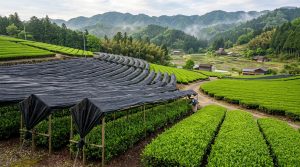
Process II: The Shading Farmers typically drape woven mats or straw screens to block 70% to 90% of direct sunlight on the tea plants (Camellia sinensis) about 20 days before harvest.
Chemical Alteration: Shading inhibits the conversion of L-theanine to bitter catechins by tea leaves. It also increases the levels of chlorophyll, turning the leaves a deep shade of green.
Hand-Rolling and Steaming: In the spring, workers harvest only the tenderest young buds. They steam, shape them to fine pine needles, and dry them to maximize taste.
Contrasting Factors: Gyokuro vs. Sencha vs. Matcha
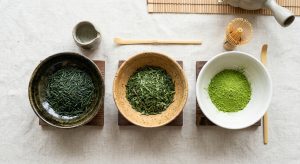
Realizing where Gyokuro falls among Japanese teas can be a useful context to highlight its luxury status:
Gyokuro: Growing Method Shaded (20 days), Flavor Profile Intense Umami, Sweet, Savory. It forms Loose Needle Leaves, Water Temp Low: 50°C–60°C (122°F–140°F).
Sencha: Growing Method Full Sunlight, Flavor Profile Fresh, Grassy, Slightly Astringent. It forms Loose Flat Leaves, Water Temp Medium:70°C–80°(158°F–176°F).
Matcha: Growing Method Shaded (20 days), Flavor Profile Rich, Creamy, Vegetal. It forms Stone Ground Fine Powder,Water Temp Warm/Hot Whisking Water.
Health Benefits of Drinking Gyokuro
Aside from taste, Gyokuro has a few healthy benefits as well:
L-theanine Provides Relaxation without Drowsiness: Gyokuro is high in L-theanine which calms yet keeps you ready for alertness to keep that caffeine smooth energizing.
High in Antioxidants: Polyphenols and chlorophyll that fight oxidative stress.
Caffeine & Aminos Blend: Natural caffeine and amino acids work synergistically to enhance mental clarity, said the brand for daily energy support.
How to Brew Japanese Gyokuro at Home
Careful temperature protection saves the breathtakingly delicate flavour of Gyokuro from ruin. If you boil the leaves you are steeping, they will burn and release nasty bitterness.
Apply warm Water: become cold boiled water to fifty°C–60°C (122°F–140°F).
Leaf-to-Water Ratio: Highest> 5–6 g of leaves for a small pot (W100 mL).
Steep: Allow to steep for 2 MIN. Still use it every drop, fill more little cups to savor its deep lasting sweetness.
Frequently Asked Questions (FAQ)
What does Gyokuro taste like?
Gyokuro represents a unique umami flavor profile, savory and sweet with an oceanic note (sea breeze or nori) and next to no bitterness.
Is Gyokuro caffeinated more than other green teas?
Yes. It is a green tea of this variety but also much more: it has a higher caffeine content than most everyday teas such as Sencha because farmers grow it in the shade and prepare it with young buds, which have a very high leaf to water ratio.
Touji: Why is Gyokuro tea so costly?
Gyokuro requires high manual labor. It is one of the most high-end and rare teas in Japan because of its shading structures, precise spring shoot harvesting and traditional rolling methods.
Gyokuro tea leaves are bottled after brewing
Yes! Given that the leaves are covered and quite delicate, many tea lovers shower cooled Gyokuro pretty of soy sauce or ponzu and consume all of them similar to spinach.


Comments are closed.
[…] High-quality, paper-thin slicing of raw fish—is at least superior to any focus of classic Japanese dining. The fancy-free, high nutrient, low calorie super food that is neither bulky nor spongy. […]
[…] to get your pure and clean, natural alarm clock or a post-lunch shot of energy? Japanese Iced Matcha latte when not using caffeine is your best bet. Japanese green tea is rich in […]