
Beyond the Brew: How Saudi Ghahwa Defined Arabian Hospitality
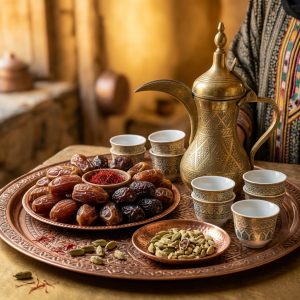
At the center of Arabian hospitality sits a golden, spiced concoction that does much more than wake you up in the morning. This is Saudi Coffee Traditional Ghahwa! Translating to hospitality in Arabic, and steeped in centuries of tradition, Ghahwa is a manifestation of generosity, community and respect throughout the Gulf.
Each cup, tinged with Arabic coffee — be it in a postcard modern café or within the comforts of a Bedouin tent — tells its own tale of culture.
From Ancient Trade Routes to Saudi Heritage
Coffee in Saudi Arabia goes way back to the 15th century. Coffee beans crossed ancient desert paths as trade routes between East Africa, Yemen and the Hejaz region grew. Sufi scholars brewed the beverage from seeds to enable them to stay awake during night prayers. Before long, it became a fixture of socialized.
In Jazan, Saudi Arabia and in the southwestern mountains of the country, residents started growing their coffee trees. This heritage farming tradition is over 300 years old. The area is known for its world famous Khawlani coffee bean. The significance of Khawlani coffee is so essential that in 2022, UNESCO added the knowledge and practices surrounding this coffee onto its Intangible Cultural Heritage list.
From ancient Sufi origins ──> Hejazi trade routes ──> Bedouin desert rituals ──> UNESCO World Heritage Site
What Makes Ghawa Unique?
In contrast to the dark, bitter espresso or cloyingly sweetened lattes found in Saudi Arabia. Saudi coffee lovers define Ghahwa by its light, golden color and infusion of spices.
The Key Ingredients & Preparation
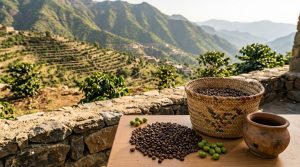
Lightly Roasted Beans: Roasters lightly roast Arabica or Khawlani beans, allowing the soft floral bitterness and high antioxidants to remain intact.
Aromatic Spices: While freshly ground cardamom is the focus spice Locals enrich the brew depending on their region by adding saffron, cloves or rosewater granting it a unique golden appearance and fragrance.
No Added Sugar: Brewers do not add sugar to the pot. Instead, hosts serve Ghahwa alongside fresh, sweet dates to balance its spiced notes.
Saudi Coffee Serving Ritual: Dallah, Finjan and Hospitality
There is an etiquette that has been around since the beginning of time when it comes to preparing and serving Ghahwa:
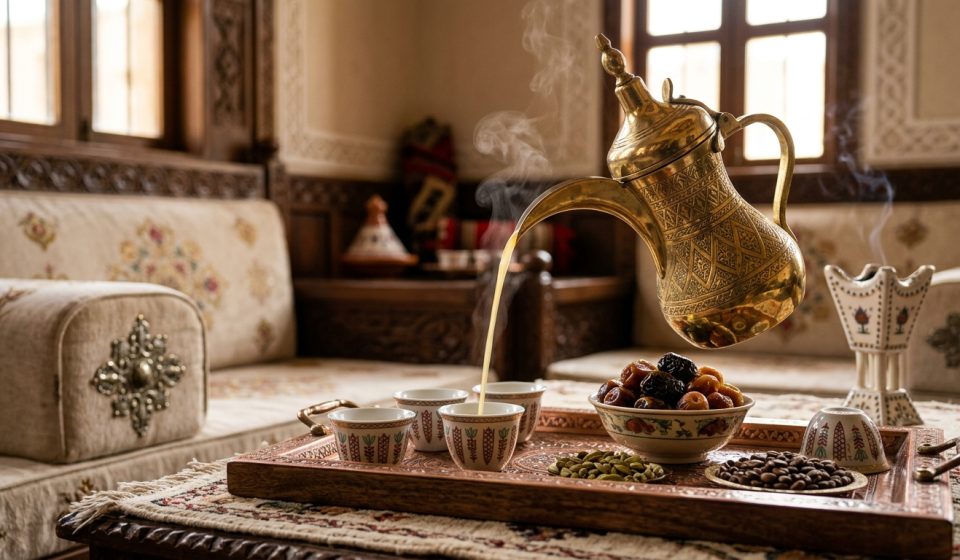
The Dallah: Coffee is cooked and poured in a long-spouted conventional pot referred to as a Dallah.
Finjan In small cups called Finjan with no handle & only one third of the way so as not to burn the guest’s hand (classic way to drink coffee—gives warmth without burning),
The Describe: The host carries the Dallah with the left hand and serves the Finjan with the right beginning with who is most honored / oldest guest to least.
The Handshake: When a guest has drunk too much coffee, he slowly shakes the empty Finjan from side to side and returns it back.
Frequently Asked Questions (FAQ)
How is the best way to prepare Saudi Ghahwa coffee?
Saudi Ghahwa is made with very lightly roasted beans, which are boiled in water with cardamom, saffron and cloves, producing a lighter tea-like color and herbal flavor. Free of sugar and milk, it is served with dates.
Why is Saudi coffee (Ghahwa) mixed without adding sugar?
Traditionally Ghahwa is unsweetened to maintain the depth of flavour between coffee and spices. Chewing fresh dates between the sips provide natural sweetness.
Qatar: The Ritual After Drinking Ghahwa
If you do not want more, lightly swing your small cup (finjan) left and right like a steering in the car before handing it back to your host. If you return it with no shaking, the host will top it off repeatedly!
Health benefits of Saudi Coffee – Is it better than normal coffee?
Yes! Ghahwa is only a shade roasted, which leads to it maintaining higher concentrations of natural antioxidants. Finally, cardamom promotes digestion and reduces bloating, providing a calming remedy to drink post-meal.