
Brazilian Pavê: The Beloved Layered Brazilian Dessert
If you ask any Brazilian dessert represents a piece of their culture they will answer with this iconic, no‑bake creation called Brazillian Pavê. This beloved layered dessert is the piece of any Brazilian family gathering, holiday meal or Sunday brunch. People say it is a version of either a Tiramisu or a French Trifle with a much heartier bite and a good splash of creamy flavor.
What is Pavê?
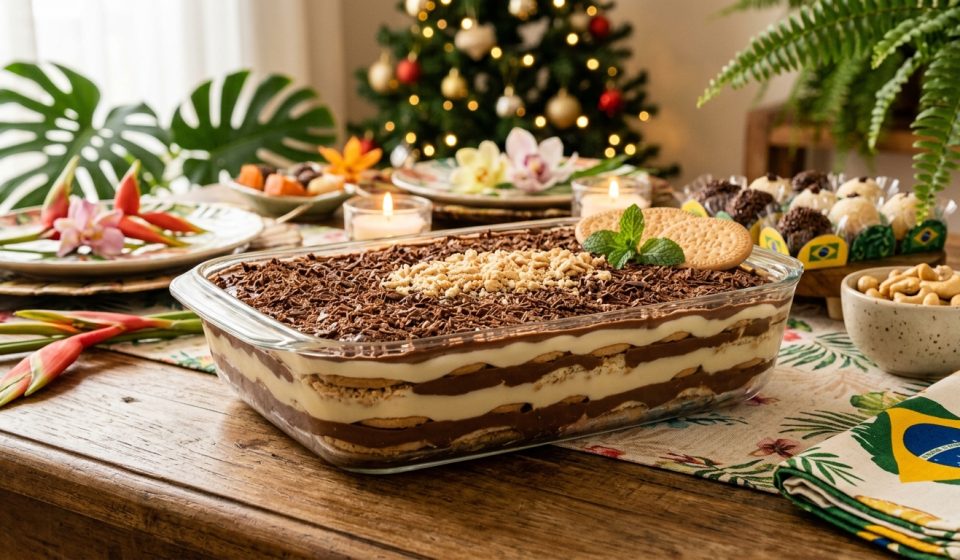
Pavê the name comes from the pavé (cobblestone). Brazilians make Pavê by layering biscuits and rich cream custards, much like how workers pave a street with stones.
Unlike desserts Pavê while still involved is much simpler to prepare. You can make it right in your kitchen without any special tools or an oven. All it takes to make Pavê is some patience and for the layers to set in the fridge.
The Architecture of a Pavê
While every Brazilian household has their beloved variety a traditional Pavê requires a few ingredients:
The Cookie Base: Bakers use Maria cookies, cornstarch biscuits (biscoito de maisena), or ladyfingers for the base layers. Prior to construction, they lightly dip the biscuits in milk—scented with vanilla or a splash of rum or liqueur—which softens them to a cake-like texture as the Pavê sets in the fridge.
The Sweet Cream: A thickened custard mixture of sweetened condensed milk is the layer of Brazilian confectionery.
The Topping: Bakers standardly add a layer of chocolate ganache, whipped cream, or cocoa powder on top.
Popular Flavor Variations
The versatility of Pavê is what makes it such an enduring dessert. Besides the combination of vanilla and dark chocolate variations in Brazil include:
Fruit Pavê: Bakers use layers of tropical fruits—such as passion fruit (maracujá), strawberry, pineapple, or lime—to cut through the sweetness of the condensed milk center.
Pavê de Paçoca: Traditional Brazilian crumbled peanut candy is added to the mix for a Pavê.
Bakers also utilize crushed local Brazilian chocolates and wafers like Sonho de Valsa or Bis to add texture.
The Cultural Significance (And That Joke)
Pavê is more than a treat; it is a cultural tradition inextricably linked to celebrating holidays. No matter what festive event families celebrate, a big glass dish of Pavê always graces the dessert table. It is also notable that this delight has a place in the culture of the people because it inspires the dad joke” (or piada de tiozinho). Because “Pavê” sounds very similar to the phrase “para ver” (look), a family member serving the dish may well ask, “É pavê ou pacomê?” (Is it for looking or for eating?).
Frequently Asked Questions
What is the difference between Pavê and Tiramisu?
Cookies and cream characterize the interior of both desserts. However, bakers make Tiramisu with coffee-soaked ladyfingers, giving it the distinct flavor of mascarpone cheese. In contrast, they make Pavê with milk-soaked Maria or cornstarch biscuits and a custard featuring sweetened condensed milk.
Can I prepare Pavê ahead of time?
As a matter of fact, you can. You should make Pavê ahead of time, as it only develops its consistency after chilling in the fridge for at least 12 hours. So, when preparing Pavê in advance you can let the biscuits soak up the moisture from the cream and transform into a consistency.
Why is condensed milk used to make desserts so popular in Brazil such as Brigadeiros and Pavê?
In the middle of the century condensed milk became a staple in the diet of Brazilians because of the boom. In the dairy industry and the need for the development of products to meet the demand.