
Egypt’s national dish: Ful Medames
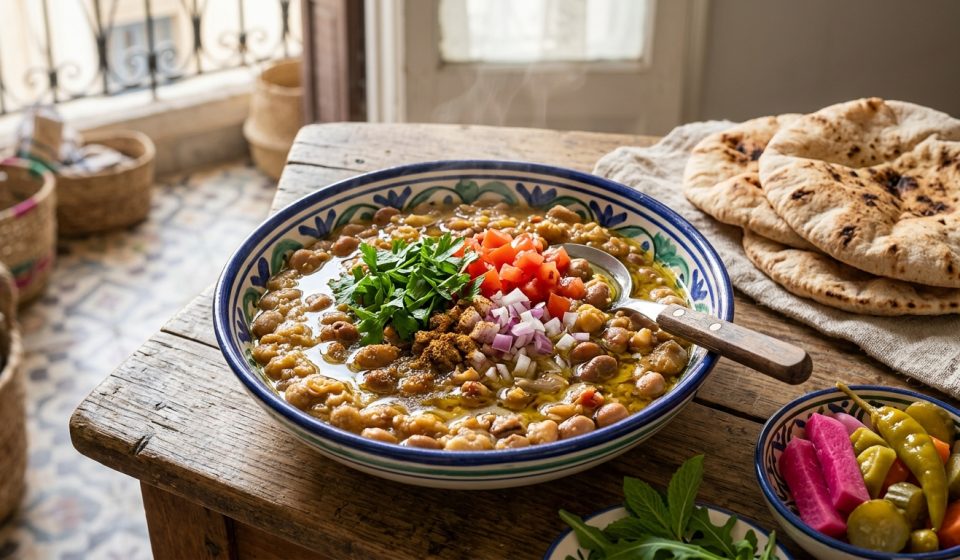
It has few historical rivals if it claims an unbroken chain of use of vennison in world cuisine stretching back over millennia. Ful medames—an ungarnished, rich-golden fava-bean stew that simmers into a warm and creamy mass. One of those dishes in the world that’s delicious enough to warrant seconds without any extra adornment. It is also the dawn of Ful, the delicious stew that travels from Cairo’s street carts to tables across Egypt. Resting in precisely what millions recognize as the backbone of Egyptian cooking daily.
The Pharaonic Roots of Ful Medames History
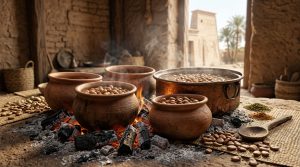
One of the oldest dishes ever, Ful Medames roots date way back to Pharaoh times. Fava beans from the tombs of Egyptian nobles dating back to the Twelfth Dynasty (around 1900 BC) have also revealed this legume buried with humans, and archeological excavations.
There’s an etymological tale to the name itself.
Here’s the thing, out here ful (the Coptic name for fava beans) is a miracle food and allows almost anything you want.
The name Medames comes from the ancient Egyptian word meṯammes, which means “buried”.
They then nestled the pot among hot coals or warm ashes and left it to simmer slowly through the night. As the hours passed, the gentle heat gradually softened the beans, transforming them by dawn into a rich, silky, and creamy stew that carried the deep flavors of this time-honored Egyptian cooking tradition. An ancient Egyptian word meṯammes, which means “buried”.
In ancient times, cooks placed the fava beans in a large copper cauldron, traditionally known as a qidra or dammasa. They then nestled the pot among hot coals or warm ashes and left it to simmer slowly through the night. By morning, the beans had softened into a rich, silky, and creamy stew, carrying the deep flavors of this time-honored Egyptian cooking tradition.
Traditional Cooking Method
A unique food-cooking tradition formed from nearby Mamluk and Ottoman-era Cairo public bathhouses perhaps due to evolving technology.
Big pots of hot water boiled in bathhouse fires long into the day. With that, they lowered the fires, and the cooks boiled up the pots of fava beans and laid them to rest in what coals lingered when night fell. The beans were cooking overnight, enough to feed a city by morning. From peasants to kings, Egyptians made Ful Medames the king of breakfast foods.
Ful Medames is a new dish
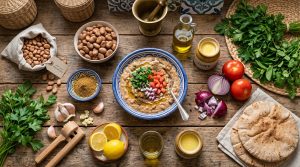
The core recipe, however, has hardly changed – just modernised cooking methods adopted. Fava beans fermented and some fortified with mash,
Cumin and garlic
Fresh lemon juice
Extra virgin olive oil or ghee
Chopped tomatoes, onions, and parsley
This almost always gets served with hot Aesh Baladi (Egyptian pita bread) and pickled veggies, not to mention fresh herbs!
Frequently Asked Questions (FAQ)
What is Ful Medames made of?
Usually, it is garnishing with chopped parsley, tomatoes or tahini.
What is more, ful medames are vegan but, even more healthy!
Traditional Ful Medames with all the spices, the toppings (herbs garlic and onion) + drizzle of olive oil over it; breakfast bread stuffed actually naturally vegan, gluten-free & high in plant protein and up to the moderate amount of various vital minerals eg iron and folate along with not lose any flavour very satisfying.
Why is it called “Medames”?
It takes its name from Coptic: ⲙⲉⲧⲁⲙⲙⲏ (“buried”) (meṯammes). It borrows from the old way of cooking where you buried your pot of beans overnight in hot ashes.
How Do Egyptians Eat Ful Medames?
The ancient Egyptians have Ful Medames traditionally at breakfast, with warm Egyptian flatbread (Aesh Baladi) which one implements an edible scoop along with falafel (ta’ameya), boiled egg & cheese.