
History of Arabian Figs: Nature’s Ancient Natural Sweetener
Long before the establishment of trade routes, city-states and urban empires in the ancient world. However, the fig tree had served as an indispensable foundation for human sustenance. Considered one of the world oldest domesticated fruit crop. Maybe even older than wheat and barley, Arabian figs (Ficus carica) have been revered in the Middle East since time immemorial.
Find out how, that sacred nutrient-dense super fruit, made its journey from oasis orchards of ancient past times to modern Mediterranean and Middle Eastern cuisine must-have.
How Ancient People Grew and Preserved Arabian Figs
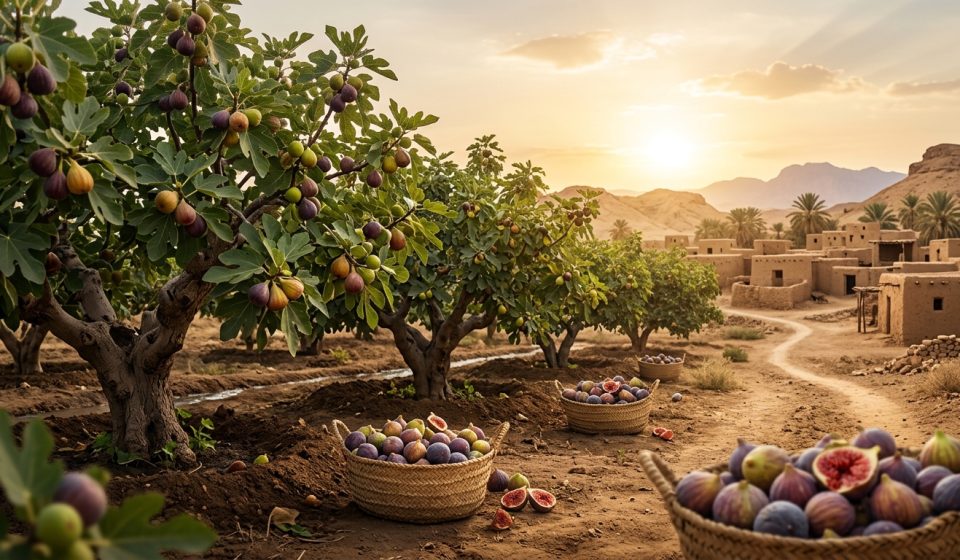
Excavations in the Near East (and Jordan Valley) indicate the cultivation of figs has been going on for more than 11,000 years. Some of the earliest nomadic and agrarian groups in the Arabian Peninsula. As well as much of the Fertile Crescent, recognized the tenacity of that genus. Fig trees perform well in rocky, arid soils with little water and yields can be generous (up to three times a year).
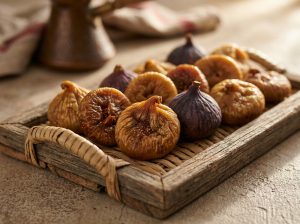
Ancient peoples propagated specific cuttings from wild figs. The result was bigger, tastier and more tender fruit. Early desert dwellers developed preservation techniques because figs from fresh spoil quickly in the desert heat. Desert dwellers sun-dehydrated figs and pressed them into heavy cakes, forming a lightweight, high-energy food for the long caravans trudging through desert trading routes.
Cultural, Spiritual, and Historical Significance
Figs are considered sacred in the Middle East and represent life, peace, and prosperity.
Worship Related: The sacred texts make mention of the fig tree. And in Islam, a whole chapter (Surah) of the Quran is even called At-Tin which means Fig. Thus showing that it contains blessings and nutrition. In biblical traditions it is also accorded a similar reverence.
1) Ancient Trade & Medicine : Ancient people in Mesopotamia and Egypt consumed figs from one of the first human cultures for daily food as well as currency and natural medicine. Hope you liked this post, and if you did, then do share it!!
Popular Arabian Fig Varieties Today

For centuries, regional farmers created a variety of varieties of figs over the breeding process adapted to desert climates.
Sultani (Barshoumi): Firm, large purple fruits with sweet red flesh found all across North Africa and the Levant.
Byadi is an amber brown to golden-skinned fig with a rich honey-like sweetness.
Black Diala: A variety of this bean that is very dark skin, and grown in Iraq and nearby regions which is valuable for its thick texture.
High in dietary fiber, potassium, calcium and antioxidants, Arabian figs are a sought-after super food all over the world.
Frequently Asked Questions (FAQ)
Fig Where did figs originated from?
Their origins are near east and western Asia. If we take the archaeological records, it shows that cultivation began in the Jordan valley and also other areas of Middle East around 9000–10000 BCE.
Do figs appear in religious writings?
Yes. Figs prominently appear in the Quran (Surah At-Tin) and also in the Bible, where they symbolize abundance, wisdom, health.
Why figs were so significant to ancient caravan travelers across the desert?
Sun-dried figs, on the other hand, could last for months without going bad. Gives caravans traversing the desert flavorful energies, organic sugars and minerals over long stretches in uninhabitable wilderness.
What is the difference between Arabian fig and western fig varieties?
The hot, dry conditions of Arabia and the Middle East modify the fig varieties he grows (Sultani or Byadi), producing extreme sugars and a full-bodied honey taste.