
Authentic Egyptian Falafel (Ta’ameya): Egypt’s Famous Fava Bean Street Food
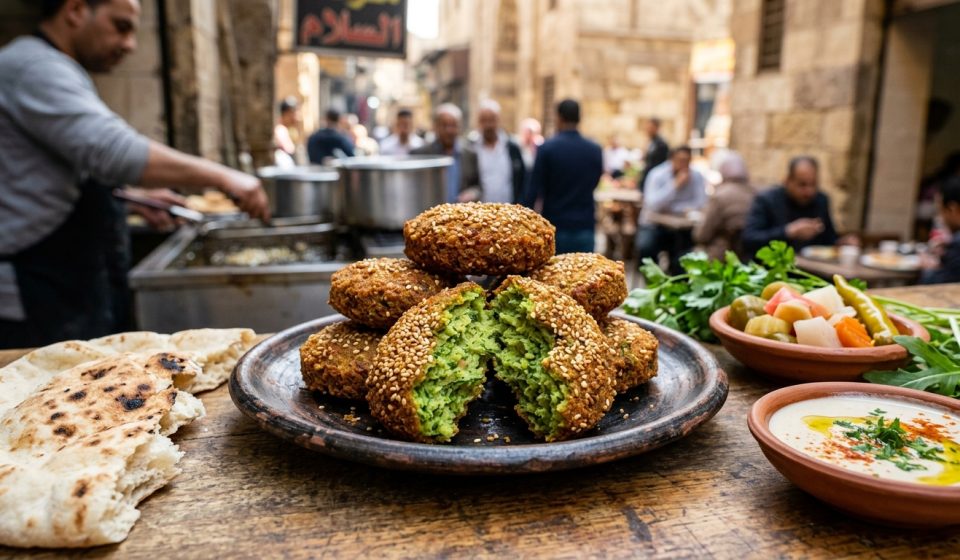
If you think people make all falafel equal, oh my heavens do I have an entirely new flavor experience in store for you. If the world has come to know falafel from chickpeas, then Egypt’s iconic Ta’ameya is in a completely different league. This Egyptian dish is such dish that nothing can ever beat the classic. This deep-fried ball of color is crispy on the outside, green and fluffy on the inside. Perhaps one of the most famed and beloved (under) ground greats in all Middle Eastern street food?
In this guide, we are all about what to know about this crispy street food, its history and why fava beans are the secret ingredient to perfection.
Egyptian Falafel vs. Levantine Falafel: What’s the Difference?
The biggest difference between Egyptian and Levant-style falafel is the main ingredient, which in Egypt are peeled fava beans (ful mudammas) instead of chickpeas.
Fava beans make a lighter, creamier paste when soaked and ground compared to chickpeas. With the addition of large quantities of fresh herbs — leeks, cilantro, parsley and dill — the batter attains a lovely dark green hue. Deep-fried until golden brown, it can be incredibly airy and fluffy with an ultra-satisfyingly crunchy crust.
Key Ingredients in Ta’ameya

Dried Peeled Fava Beans: soaked but not boiled.
Fresh Herbs > Cilantro + Parsley (or Leeks or Scallions), and Fresh Dill.
Aromatics: Garlic and onion.
Spices: Ground coriander, cumin, a dash of cayenne (optionally) and salt.
Sesame seeds — added to the surface before frying for the extra crunch and nuttiness.
A Short History: Is Egypt Where Falafel Was Born?
According to food historians, it originated within the Egyptian nation. One plausible hypothesis traces Ta’ameya back to many hundreds of years ago. Positing that Coptic Christians invented the dish as a vegan protein-rich alternative to meat during Lent. Spanning from its streets in Cairo to Alexandria, Ta’ameya was a national dish you could have for breakfast. usually shared with warm pita bread, tahini and pickled vegetables.
How to Enjoy Egyptian Falafel
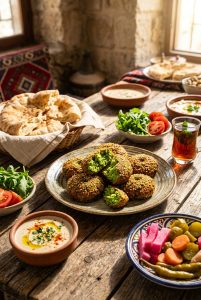
The local way to enjoy Egyptian falafel is to wrap warm Ta’ameya patties in fresh Eish Baladi (Egyptian flatbread) Layer it with:
Creamy Tahini Sauce: to make savory and nutty.
Salata Baladi — Egyptian Salad with chopped tomatoes, cucumbers, onion and lime juice
Torshi (Pickled Vegetables): A tart, crunchy counterpoint to the fried patties.
Frequently Asked Questions (FAQ)
How is Egyptian falafel different from regular falafel?
In contrast to ‘common’ Middle Eastern falafel made with garbanzo beans (chickpeas), Egyptian falafel, also known as Ta’ameya, uses soaked and ground dried fava beans. Fava beans is another common ingredient found in Egyptian falafel, which will make it fluffier on the inside and crispy outside.
Is falafel gluten-free vegan or if on gluten free diet are every kind of falafel resturants.
Yes! Classic Ta’ameya is 100% Vegan, Plant based and Gluten free by nature. Just make sure it’s deep-fried in fresh oil, served with pure gluten-free bread, you have restrictions.
Is it possible to bake Ta’ameya (or air-fry) instead of deep-frying?
Yes. Deep-frying does provide the most natural crunchy texture, but Ta’ameya can also be baked or air-fried. Coat the patties with high-heat oil (using a brush or spray) and bake at 375°F (190°C) for 15–20 minutes, flipping them halfway through.
Where did Egyptian falafel get the green?
Finely chopping fresh herbs such as cilantro, parsley, dill, and leeks into the fava bean batter achieves the vibrant green interior.
Not only is Egyptian falafel street food, but also cultural art. Homemade or street-style authentic Ta’ameya is a must if you are looking for a hearty non meat meal OR genuine North African food tracker!