








The History of Turkish Haydari: Anatolia’s Iconic Yogurt Meze
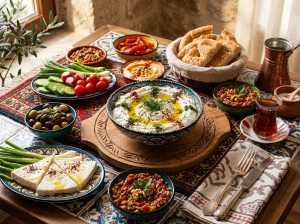
Many people who have enjoyed a traditional Turkish dinner will recall how the restaurant served several small plates of colorful appetizers called ‘mezes’ before the main meal. Although there are numerous types of mezes, perhaps the most widely recognized is haydari, a creamy garlic-based dip.
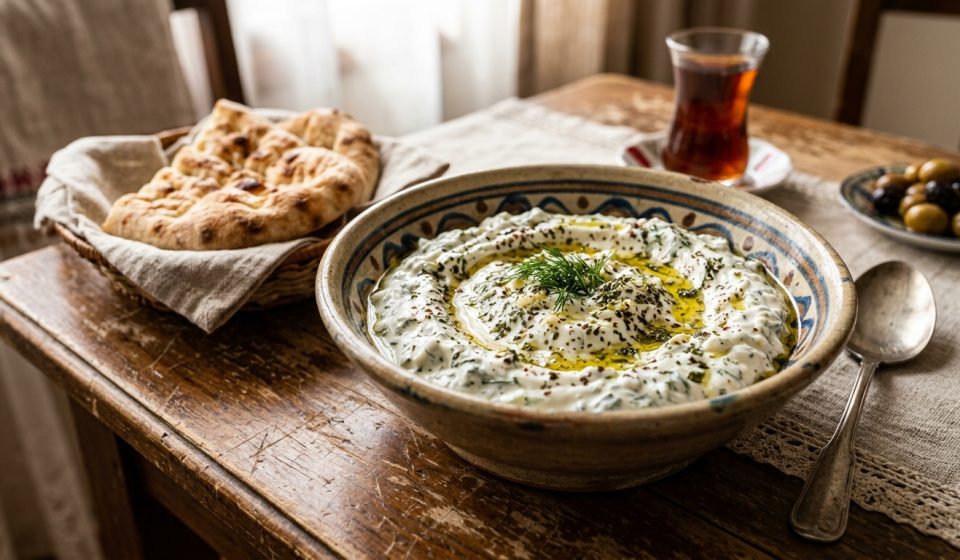
The traditionally prepared Turkish cheese spread known as Haydari is an example of how humans used the process of dairy fermentation. Haydari is a very dense product, has a creamy mouthfeel, and includes herbs.
The Origins of Haydari and Turkish Fermentation
Haydari’s origins are related to the development of yogurt by both the Turkish people and the Central Asian nomadic tribes. Before the Turkish people came to Anatolia from Central Asia, the Central Asian nomadic tribes had been using fermentation to preserve their dairy products when moving through the severe weather conditions of Central Asia. Once the Turkish people arrived in Anatolia, they developed a much better method of producing suzme yogurt (strained yogurt). Suzme yogurt is a very thick and dry version of yogurt. It is good quality of yogurt dip than the other dips.
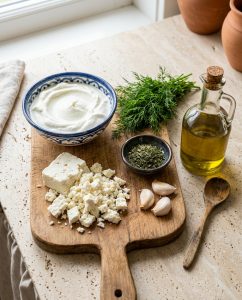
Haydari stands out among most Mediterranean dips because chefs prepare it using a combination of strained yogurt (süzme yoğurt), wild herbs like dried mint (nane) and fresh dill (dereotu), garlic, olive oil, and crumbled white cheese (beyaz peynir). On the other hand, virtually every type of Mediterranean dip other than Haydari has either a liquid version of fresh yogurt or an oil.
Haydari is the most Mediterranean dip and also to prepare this dip it uses some of strained yogurt, wild herbs such as dried mint and fresh dill, garlic, olive oil and crumbled white cheese
The Haydari name is based on the Turkish word Haydar which has two meanings: “lion” and “brave.” People know lions as strong animals with good-tasting meat. Because chefs add garlic to the recipe and cheese provides a distinct tanginess. It tastes unique compared to other mild yogurt-based dips.
Haydari’s Role in Turkish Meze Culture
Ithas been an essential part of the traditional dining experience for centuries in terms of the heritage of Ottoman food culture.
Cold Haydari is a staple ingredient in the preparation of Turkish cuisine. It is used regularly by many individuals who prepare Turkish dishes. This type of haydari continues to be in demand even today. Cold haydari is typically served on top of freshly baked, warm pita bread and is consumed with grilled meat or fish. Due to its smooth and creamy consistency, it may be used to refresh one’s palate after consuming a meal containing spice, such as hot kebab.
Haydari is different than tzatziki in Greece and cacik in Turkey because it has no cucumbers. There are several other items which can be added during the process of making this dish. Which are strained yogurt, white cheese (feta), garlic, various herbs and even chopped walnuts. When all of these items are added, the final product will have a consistency similar to a thick spread. As such, people can consume the product directly from its package with either their hands or a small piece of bread rather than consuming the product like a soup with a spoon.
Frequently Asked Questions (FAQ)
What is the main difference between Haydari and Tzatziki?
Haydari is a thicker, stronger-flavored version of Tzatziki. Haydari is made using a base of strained yogurt, crumbled white cheese, and fresh herbs. While Tzatziki is typically made with finely minced cucumber, some chefs choose to use diluted yogurt or plain yogurt instead of Tzatziki.
What ingredients are used in traditional Haydari?
The core ingredients include:
Strained yogurt (suzme yogurt) or labneh
Crumbled Turkish white cheese (beyaz peynir) or soft sheep’s feta
Garlic
Fresh dill and dried mint
Extra virgin olive oil or warm mint butter
Crushed walnuts (optional, depending on the region)
How do you serve Haydari?
You will most likely find haydari in a “meze” (appetizer) platter. To improve the taste, you could use either extra virgin olive oil or hot flavored butter. Pairing this dip with warm flatbread, pide (Turkish pizza), freshly washed and chopped raw vegetables, or grilled meat skewers (kebabs) elevates its flavor even further.
Can Haydari be made ahead of time?
Yes! You may prepare the dip up to four hours before you plan on serving it. However, you can even prepare haydari up to 24 hours prior to when you intend on serving it. Preparing it ahead of time allows for the garlic, herbs, and white cheese to marinate in the refrigerator and form into a single flavorful combination.
