








Kachche Keema Kabab: From Royal Mughlai Kitchens to South Asian Street Food
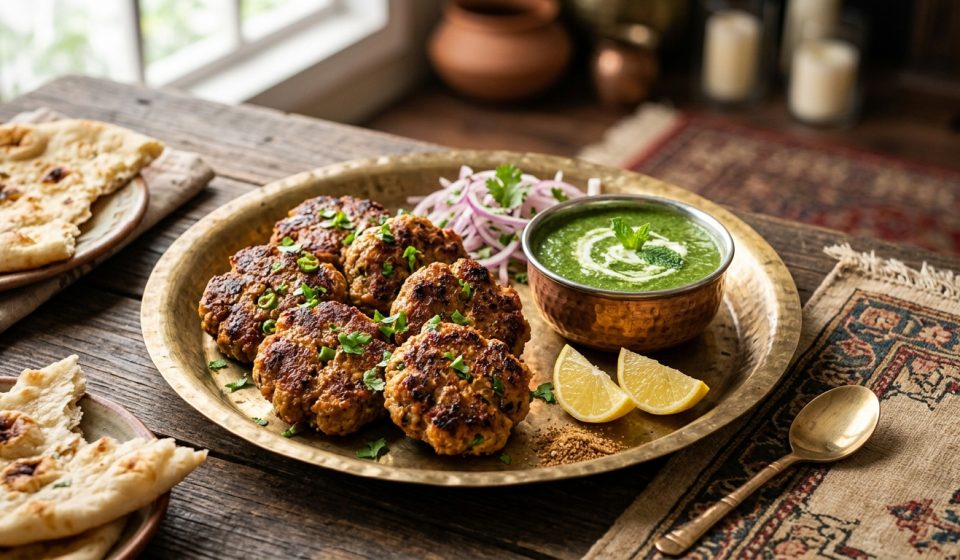
Right from South Asian Street food to royal Mughlai cuisine, Kachche Keema Kabab surely means a stored memory in our gastronomic minds. Fried meat balls that have been traditionally made for generations. Worldwide known for being crispy outside, juicy inside and melt in your mouth.
Be it an evening snack with mint chutney on street or a dish for the friends to gorge during festive occasions. Every mouthful taste even more delicious for the story behind this age-old food.
What is Kachche Keema Kabab?
Unlike conventional traditional kababs which chefs prepare partially, Kachche Keema Kabab is kneaded from raw meat and tempered with ground spices, aromatics and binding agents like besan (gram flour). Hot base mixture is then molded into flat patties and shallow-water fried or pan-seared in a small amount of fat till brown which seals the meat juices and the fats.
Royal (Mughlai) & Watan Heritage
Mughal Empire has a huge role to play in the history of minced meat delicacies prevalent in South Asia, with roots extending back.
In the 18th and 19th centuries, royal khansamas (court chefs) encountered a peculiar challenge. How could they serve rich, flavorful marinated meat dishes that elderly royals could easily chew? The story goes that Nawab of Lucknow became toothless but refused to bid farewell to meat. This led royal chefs to devise methods using natural meat tenderizers (the most famous being the use of raw papaya paste), which help proteins soften and produce a beautifully tender mouth feel.
This style of cooking later moved out from the royal kitchens to preparations. You would see in home-cooked meals across Northern India, Pakistan and 4 updates availableBangladesh. However, this royal recipe of kachche keema kabab was simplified by the housewives into what we today recognize and use available ingredients such as roasted gram flour (besan), crushed seeds, spice herbs and green chilies.
Key Ingredients That Define the Flavor
The rest is up to balancing spices and setting agents (egg whites, breadcrumbs)
Mutton, beef or chicken minces a few times to as fine a mesh to assist with binding.
Chopped ginger, garlic paste, chopped onion and coriander leaves + The finely chopped green chilies.
There are the coarsely crushed coriander seeds, but also roasted cumin, black pepper and warming garam masala.
Roasted chickpea flour (besan) or gram flour for holding shape and papaya paste or yogurt for tenderization
Modern Evolution: A Global Favorite
But even now, Kachche Keema Kababs are a key feature of religious celebrations like Eid-ul-Adha, and during informal family gatherings. Even more, distinctively modern versions are the contemporary varieties of tawa patties and grilled (BBQ) variants. Nowadays, gourmet burger joints across the globe serve them as artisan burgers. Vendors stuff them tightly inside flatbread, and South Asian restaurants worldwide offer them as starters.
Frequently Asked Questions (FAQ)
So, what is different about these Kachche Keema Kababs?
There are several kinds of kababs as they are mostly made from pre-cooked meat or charcoal skewer grilling. Kachche Keema Kababs uses raw minced meat combined with raw spices other aromatics +binding flour and pan-fried which results in a slighter lighter texture.
Why Kachche Keema Kababs break apart while frying
Some kababs do have cracks due to too much moisture or not enough binder. Extract all moisture from the finely chopped onions and the meat prior to mixing. Followed by putting besan (dry roasted chickpea flour) for any loose moisture.
Recommended Meats for Kababs
Traditional recipes use two to 3 instances mutton or beef mince. Chicken or turkey breast mince originally also came in handy but takes longer to cook and can dry out.
