
Canadian Poutine: History, Origin and How It Took the World by Storm

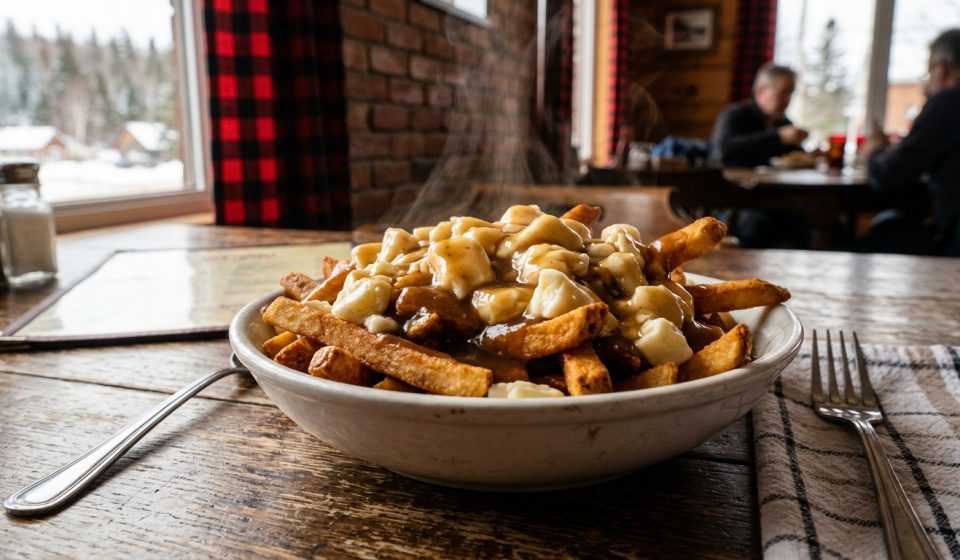
When we think about northern comfort food, one dish immediately comes to mind, Canadian Poutine. Say what you will about these famous crispy fries, spunky squeaky cheese curds and delectable gravy, but Poutine has gone over from humble beginnings in the country side. I throughout Canada to becoming a true national dish as well as embracing its newfound international stardom.
So where actually did this deceptively delectable comfort food originate? Taking a trip into the colorful past of Canadian Poutine.
Poutine is Born: Quebec countryside in the 1950’s

Numerous communities in Quebec claim they gave birth to Poutine; however the most agreed origin narrative tends to center on L’Centre-du-Québec towards the end of the 1950’s.
One of the more popular legends brought him back to 1957 in the town of Warwick, Quebec. It goes back several years when Fernand Lachance, the owner of L’Idéal restaurant (renamed Le Lutin Qui Rit later), said a patron asked him to toss some cheese curds into a paper bag with hot French fries.
Lachance even famously quipped back: “That is going to create a complete mess!”.
Poutine : The term itself was originally slang for “mess” or strange mix in local Quebecois French. The combo was a hit among consumers, but it did have one flaw: the fries got cold quickly. In 1964, Lachance came up with the classic trio we know today when he incorporated warm brown gravy to keep the mixture hot and fresh.
Other Contenders to the Throne
Drummondville (1964) Jean-Paul Roy, Le Roy Jucep owner, insists he originated the fry’s/curds/gravy combination served on a plate as “Patate-Poutine” as a menu item. He even trademarked the dish.
Princeville (1966): The L’Aptit restaurant also occasionally takes credit for it when some cheese factory nearby began making curds.
How Did Poutine Become a Canadian Cultural Icon?
For decades, Poutine was a punchline beyond Quebec. It was seen as a fatty, low-class meal and even used as a playful derision of French-Canadian culture by some reviewers.
But by the end of the 1980’s and into the 1990’s, views changed radically:
Fast-Food Popularization: High profile national chains like Burger King and McDonald’s incorporated Poutine into their Canadian offerings.
The Gourmet Revolution: High-end chefs started creating upscale versions with confit of duck, lobster, foie gras and artisanal gravies.
International Acclaim: Today, poutine is recognized worldwide with cities hosting festivals across North America and beyond.
Frequently Asked Questions (FAQ)
Question: What is it that makes the cheese called Poutine squeaky?
Fresh cheddar cheese curds are what make authentic Poutine, the best! The so-called “squeak” sound is the rubbery protein network of fresh curds rubbing against your tooth enamel. Fresh cheese curds should squeak!
So therefore, what does Poutine mean?
In Quebec slang, the word Poutine originally meant “a mess” or irregular mixture. That may also come from the English pudding.
Originally from Canada or France: the birthplace of Poutine
100% Canadian, Poutine comes from the French-speaking part of Canada called Quebec in about the middle of the 20th century.
What is in classic Poutine gravy?
Traditional Poutine in Quebec consists of gravy, which is a light brown sauce, seasoned with pepper and prepared from a mixture of chicken stock and beef broth, thickened by cornstarch or flour
Summary
Poutine has come a long way, from the paper bag snack version of it in a cheap dinner in Quebec circa 1950’s to its well-loved menu item status ever since. The next time you indulge in those squeaky curds and golden fry, just remember, you’re chewing on a little piece of Canadian history!