







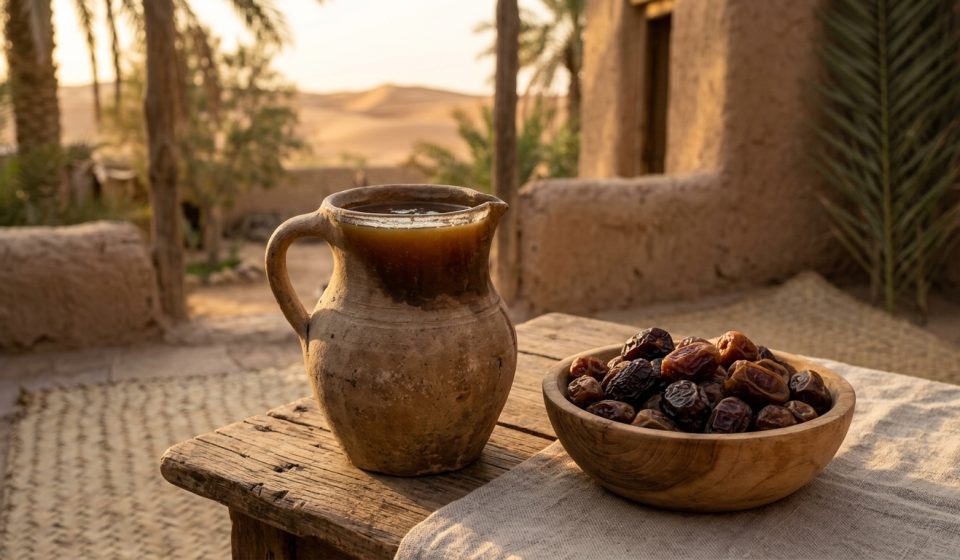

Nabidh: Arabia`s Ancient Summer Beverage, With A Few Millennia Old History Under It
As summer temperatures in the Arabian Peninsula reached their peak. It encouraged people to search for a natural method of combating heat and thirst. Long before we had the crappy sodas and iced coffees that passed for refreshment. People living in deserts and villagers looking to cut through the heat always looked for recipes that would last, depending on their surroundings. Nabidh is probably the most notorious of these pre-Islamic drinks. A pure, extremely nutritious cave date or raisin-made drink from Saudi Arabia and across the region.
What is Nabidh?
Nabidh (Arabic: نبيذ; a soak of dried fruit— most often dates or raisins in water for a time). It leaches out the fruit’s raw sugars, vitamins and minerals to make a syrupy, soft bodied hydrating beverage.
People would generally make Nabidh in clay jugs or animal skins. A companion imitating those who made the arduous passage in desert, providing instant sustenance and hydration with minimal preparation required.
A Historical Overview of Nabidh in Arabia
Thus, agricultural history tightly knits the story of Nabidh.”Especially in terms of date plant production in the Arabian Peninsula. Since thousands of years Oasis grown date palms have very well adapted to the oases of Al-Ahsa, Medina and Najd making dates a significant component of local diet.
Desert Refreshment: Water in desert may taste mineral-heavy or flat at times. Soaking sweet dates or raisins in the water would decrease the tastiness of it. But will also contribute potassium and natural sugars making it a great strengthener.
Nabidh in Islamic Literature and Recommendations: Muslim history books frequently discuss Nabidh. It was an ancient beverage of Muslim Arabs in the early Islamic period and consumed fresh. According to those rules, people had to consume Nabidh within two or three days before yeast and other bacteria reacted with the fruit’s sugar to produce alcohol.
How Traditional Nabidh Was Prepared
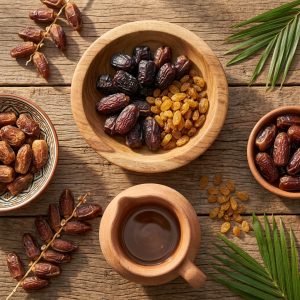
Authentic Nabidh required only a few components and low effort, which is why it was eventually able to coexist with desert living in past times:
Wellness Elements: Pure water and top-quality dried dates (for example, Ajwa or Sukkhari) or raisins
Steeping: The cultured fruit is soaked overnight or for up to 24–48 hours in fresh water (in a state of dormancy, at ambient temperature).
Filtering: People filter and continue to cool the sweet, infused water. They usually eat the juicy, vibrant dates at the bottom — the star of the show on their own — because they consume everything.
Nabidh in its modern sense is mixing rosewater, mint leaves and lemon juice into a couple of dashes for an enlivening summer drink.
Frequently Asked Questions (FAQ)
Is Nabidh alcoholic?
No way, the new Nabidh is non-alcoholic. This, in essence, is simply sweetened fruit water. But, at the other end of things when it sits for two or three days to just warm room temperature nature will take out again and fermentation goes off. Which is why older historic guides once stated that one had to drink fresh.
Health Benefits of Nabidh from Date Infusion
In nabidh, there are dates or raisins loaded with natural sugars (glucose and fructose), fiber, potassium, magnesium and protective antioxidants. In addition to providing immediate energy, coconut water also enables digestion and acts as a hydration-regulating natural sports drink during hot climate.
Can you make Nabidh at home?
Yes! Simply put around 5-7 pitted dates or some raisins into a jug of water, cover in the fridge and leave for 12 – 24 hours to steep. Strain and serve cold.
Final Thoughts
Nabidh is more than just a drink; it is an artistic umbilicus to Arabian heritage, desert-dwelling, and mindful culture. As the world has transitioned towards healthier more natural, less sugar hydration options, holding true to its millennia-old title as a summer drink of Arabia is so refreshing and relevant in our times as it was back in biblical days.


Comments are closed.
[…] walk through the crowded streets during Ramadan in Cairo, and you will see vendors standing beside their carts with a clear white drink cold in […]